
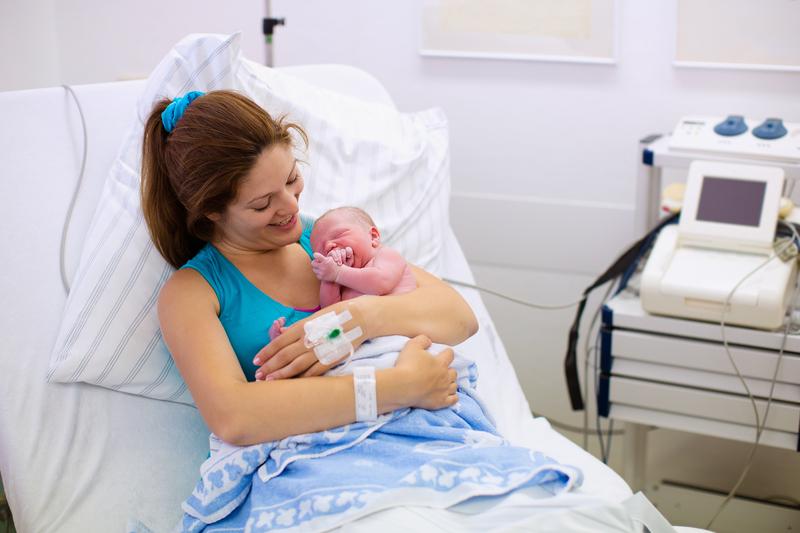
Bringing a new life into the world is a miraculous experience, but it can also bring about various physical changes and challenges for mothers. Physical therapy offers a supportive and effective approach to postpartum recovery, helping women regain their strength, comfort, and confidence. As a new mother, prioritizing your well-being is crucial, and physical therapy can play a significant role in your journey toward recovery and self-care.
Recover Core and Back Strength
After childbirth, many women experience a weakening of their core and back muscles. This can lead to postural issues, and back pain, and even contribute to abdominal separation. Physical therapy offers tailored exercises and techniques to gradually rebuild and strengthen these essential muscle groups. Therapists work closely with new mothers to design exercises that target specific areas of weakness. Such as helping them regain their core stability and alleviate back discomfort. Through guided and safe exercises, women can gradually restore their core and back strength, enhancing their overall physical well-being. Developing a strong core and back helps with a variety of activities, including lifting your baby, going for walks or runs, and even everyday tasks. A strengthening program designed by a physical therapist can safely guide mothers as they progress from basic to more challenging exercises.
Strengthen Your Pelvic Floor Muscles
The pelvic floor muscles play a crucial role in supporting the bladder, uterus, and rectum. Pregnancy and childbirth can lead to the weakening of these muscles, often resulting in issues like urinary incontinence and pelvic organ prolapse. Physical therapy postpartum focuses on pelvic floor rehabilitation through exercises that target these muscles. Strengthening the pelvic floor helps prevent and manage issues like urinary leakage, allowing women to engage in physical activities with greater confidence. 80% of women may experience urinary incontinence during exercise. This makes pelvic floor strengthening an essential aspect of postpartum recovery. There are several exercises that can be used to help strengthen the pelvic floor.
Kegels are perhaps one of the most common and effective options, which involve squeezing and releasing the muscles around your urethra, rectum, and vagina. It’s crucial to focus on proper technique when performing these exercises — this means avoiding tensing other muscle groups like the abdominal muscles, which can interfere with the effectiveness of the exercise.
Provide Pain Relief
Childbirth, while beautiful, can also leave women with residual pain and discomfort. Physical therapists employ a range of techniques to address and alleviate these postpartum pains. Manual therapy, including gentle massages and stretches, can help release tension in the muscles and promote healing. Therapists also educate new mothers about posture, body mechanics, and proper techniques for lifting and carrying their babies, all of which contribute to pain reduction. By addressing postpartum discomfort, physical therapy enables women to navigate the challenges of motherhood with greater comfort and ease.
As a new mother, self-care and well-being should be a top priority. Incorporating physical therapy into your postpartum journey can empower you to face the physical changes with strength and resilience. With the guidance of skilled therapists, you can rebuild your body’s strength, address discomfort, and cultivate a sense of confidence that extends far beyond the recovery process. Embrace the support that physical therapy offers and embark on your path to postpartum wellness and self-love.
Did You Enjoy Reading This Article? Here’s More to Read: The Perfect Feeding Bra

 Festive Season Closing Dates