
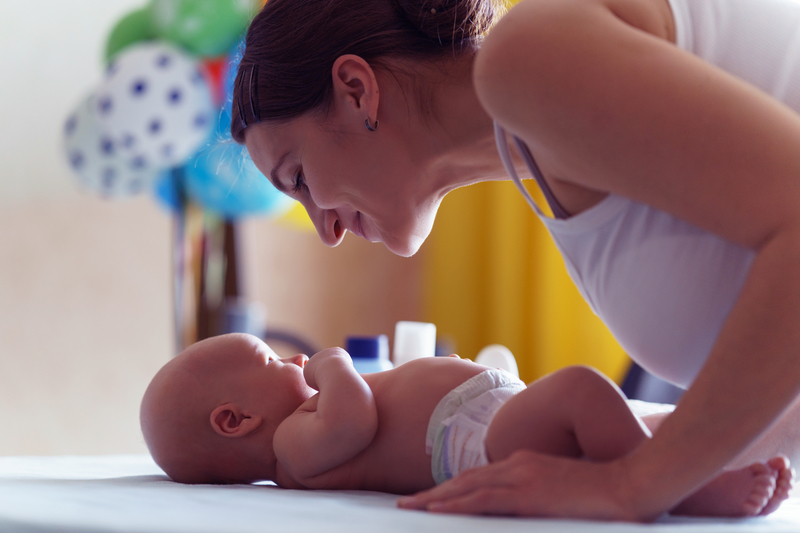
After giving birth, your attention is understandably focused on your newborn, but it’s important that you don’t neglect your own health during this critical time. Your body has been through tremendous stress, your hormones are on a rollercoaster, and your life has changed completely. Like millions of other new mothers, you could experience postpartum issues.
Stay in Touch With Your Doctor
Your body will take some time to heal and return to normal. Be patient, but also stay in touch with your doctor. Don’t skip any post-delivery checkups, and be vocal about your concerns. Your doctor can’t tell how you feel unless you speak up. If you’re having any pain or unusual symptoms, don’t wait to call.
Don’t ignore it if you’re feeling sad and anxious, or if you find yourself crying frequently. These could be signs of postpartum depression. If these feelings last more than a week, contact your doctor immediately. Your doctor can advise you about available treatments.
Find Support
Caring for a newborn can be overwhelming, both physically and mentally. You’re also separated from your usual work routine and social life. Isolation can make you more depressed, so try to reach out to friends and family. Even a short phone call or text conversation can help.
You may also be able to find support groups for new mothers in your community. No one can understand what you’re going through better than other moms of newborns. Hospitals, churches, and community groups are possible places to find a group. There are also support groups online.
Eat Well
It’s hard to maintain a regular routine of sleeping and eating when you have a newborn, but proper nutrition is vital after giving birth, especially if you’re breastfeeding. This is not the time to worry about your weight or your figure. Your body needs calories and the right balance of nutrients.
Since you won’t have the time or energy to fix elaborate meals, have some quick meals and snacks on hand. Some good choices that are protein and nutrient-rich include oatmeal, eggs, yogurt, and hummus. If possible, prepare some frozen meals in the weeks before the baby arrives.
Becoming a mother is a wonderful and joyous time, but if you feel down, remember you’re not alone. Many women deal with postpartum issues, but there are things you can do to care for yourself, with a little help from your friends.
Check out this article on the perfect feeding bra!

 Festive Season Closing Dates